
Dog food aggression training in Oklahoma City
Breed and size shouldn’t determine the training plan. For dog food aggression training in Oklahoma City, focus on what the dog guards, what triggers the reaction, and how to manage risk while addressing the behavior. Food or toy guarding calls for an approach tailored to the individual dog, not assumptions based on appearance or breed.
It’s understandable to feel cautious when a dog stiffens, growls, or snaps near a bowl or prized toy. These behaviors can signal fear or discomfort. Punishing a growl may suppress a warning without addressing what drives the response.
This guide explains how training can address food and toy guarding, what may contribute to reactivity, and what to consider when choosing an Oklahoma City trainer. You’ll also learn how a structured, safety-focused approach can improve communication and help owners respond consistently at home.
Table of Contents
Can aggressive dog training actually fix my dog’s behavior in Oklahoma City?
Training can change how a dog responds to food, toys, and people nearby. Dog food aggression training in Oklahoma City should start with the dog’s specific behavior, triggers, and safety needs, not assumptions about breed or size. Growling, stiff posture, showing teeth, snapping, or biting near a bowl are signs to take seriously. The goal is to reduce risk, teach alternative responses, and give the owner a clear management plan.
Private training allows focused work on the dog’s actual food routine, such as guarding a bowl when someone walks past. Group classes can support obedience and controlled practice, but may not suit a dog that reacts strongly around food or other dogs. Board-and-train changes the setting, so owners still need hands-on instruction to maintain the plan at home. A dog with a bite history or serious behavior concerns should be evaluated before beginning a board-and-train program.
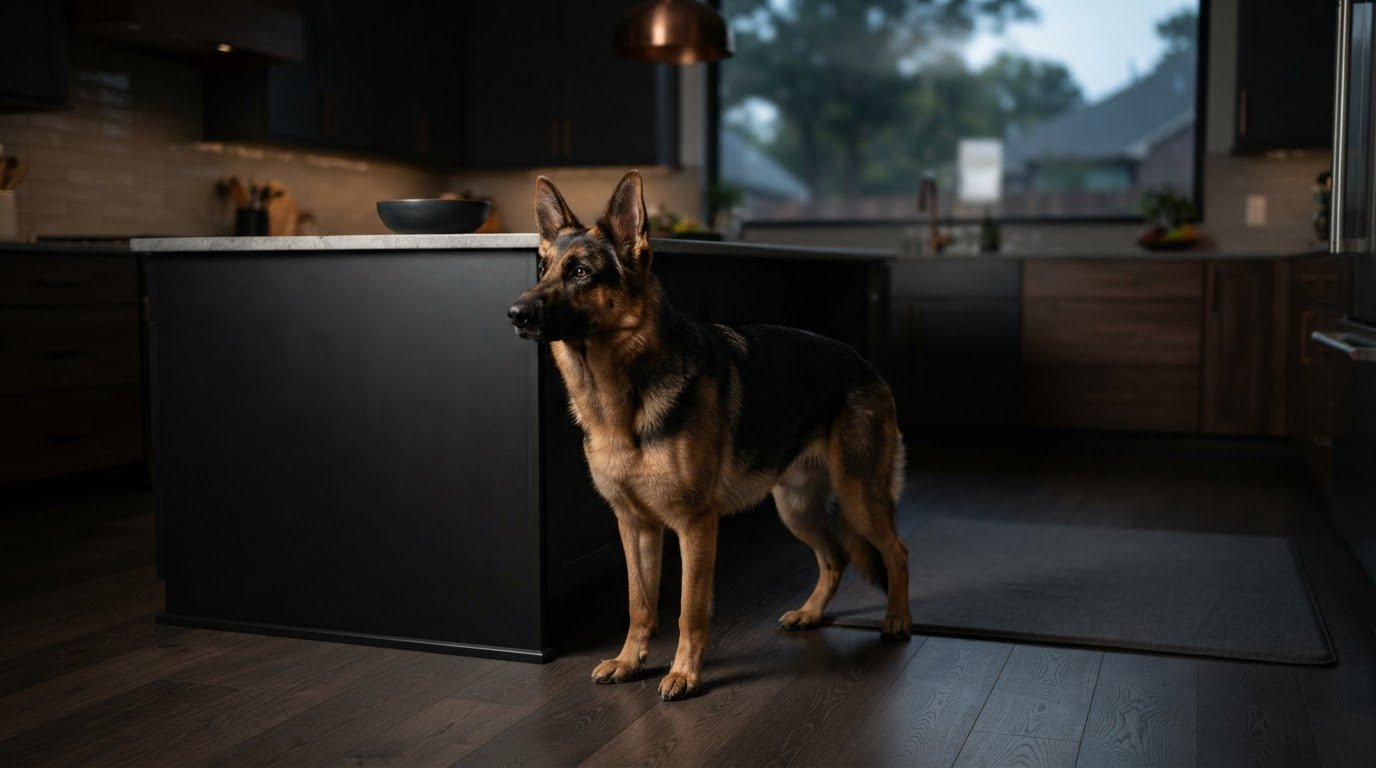
Manage safety before asking the dog to tolerate close contact. Feed the dog in a quiet, separate space, and keep children and other pets away during meals. Don’t reach for the bowl, take food away to “test” the dog, or punish a growl. These actions can increase risk without teaching the dog what to do instead. Record the trigger, the dog’s body language, and what happened immediately before each reaction.
An in-home behavior evaluation can reveal details a training room may miss. The trainer can observe where the dog eats, how people move through the space, and whether guarding also occurs with toys or chews. The next steps should reflect those observations: manage access, teach cues such as “move away,” and practice at a distance where the dog can remain calm. The owner plays an active role, and consistent daily routines help carry training into real meals.
Arrange a veterinary evaluation if food guarding begins suddenly, intensifies, or occurs alongside changes in appetite, movement, or general behavior. A veterinarian can assess health factors and advise whether a veterinary behaviorist should be involved. Share a clear timeline, examples of reactions, and any bite history during the appointment.
In Oklahoma City, a dog’s veterinarian is a practical starting point for guidance on behavior and referrals. Ask about a veterinary behaviorist when the case involves injury, escalating reactions, or complex medical and behavior concerns. Trainers and veterinary professionals can coordinate around the dog’s needs while the owner maintains safe feeding routines.
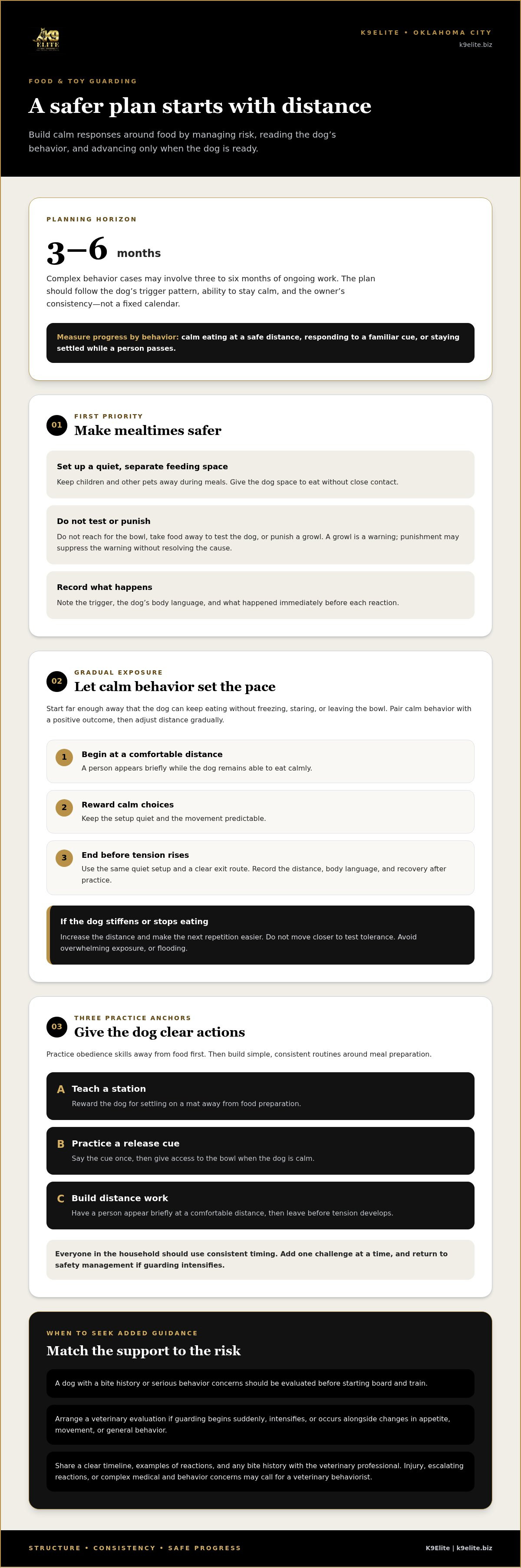
Progress depends on the trigger pattern, the dog’s ability to remain calm, and the owner’s consistency. Mild guarding and complex, multi-trigger aggression need different plans; complex cases may involve three to six months of ongoing work. A useful plan tracks small changes, such as the dog eating calmly while a person remains at a safe distance. That evidence helps the team adjust the next step without forcing contact or rushing the dog.
Desensitization and obedience training
Desensitization teaches a dog to stay composed around a trigger at a manageable distance. With food guarding, the trigger might be a person entering the room while the dog eats. Begin far enough away that the dog can continue eating without freezing, staring, or leaving the bowl. Pair calm behavior with a positive outcome, then adjust the distance gradually.
Let the dog’s behavior guide progress, not a fixed calendar. If the dog stiffens or stops eating, increase the distance and make the next repetition easier. Don’t move closer just to test tolerance. End each session before tension rises, using the same quiet setup and a clear exit route. Record the distance, body language, and recovery after each practice.
Obedience training supports this work by giving the dog clear actions to take instead of guarding. Practice cues away from food first, then build simple routines around meal preparation. A program might teach the dog to go to a mat, wait calmly while the bowl is placed, and begin eating after a release cue. Everyone in the household should use consistent timing.
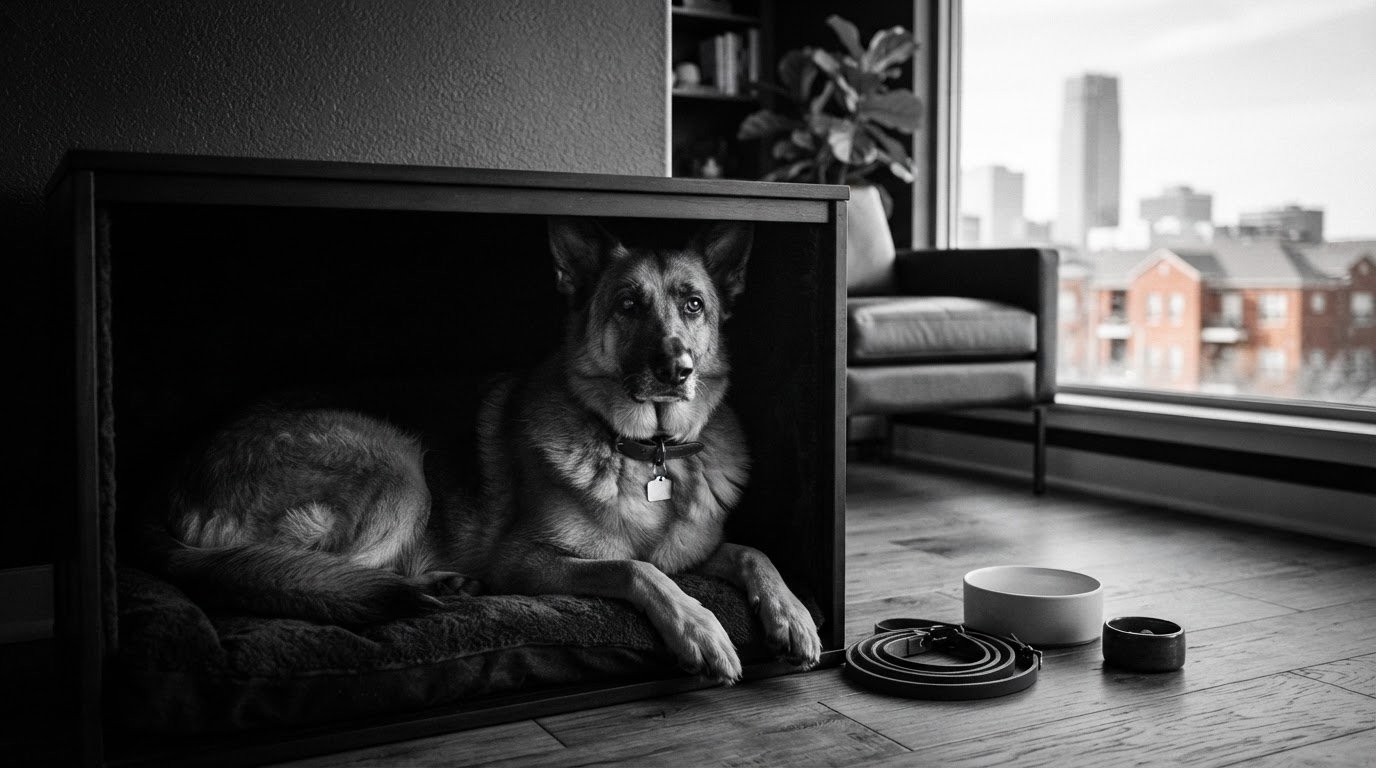
Teach a station: Reward the dog for settling on a mat away from food preparation.
Practice a release cue: Say the cue once, then give access to the bowl when the dog is calm.
Build distance work: Have a person appear briefly at a comfortable distance, then leave before tension develops.
These steps don’t mean removing food or crowding the dog. Timing matters: reward calm choices, avoid sudden movements, and stop if warning signs appear. A leash can guide movement during ordinary obedience practice, but nobody should reach near a guarded bowl. Keep children and other pets out of the feeding area.
General obedience also includes responding to a name, recalling, and settling beside the handler. Practice each skill in a quiet room before adding distractions, such as a closed food container across the room. Off-leash obedience requires reliable responses in controlled, secure settings. It doesn’t mean allowing an off-leash dog to approach food, people, or animals without supervision.
Gradual exposure can fail when the dog is overwhelmed. Avoid flooding, meaning too much exposure at once, and return to an easier step if the dog cannot disengage. Consistent handling gives the dog predictable signals and helps the owner identify what needs adjustment. For structured obedience training guidance, use a plan that accounts for both household routines and the dog’s response to food-related cues.
Track progress through observable behavior: the dog eats without freezing, responds to a familiar cue, or remains settled as a person passes at a safe distance. Add just one challenge at a time, such as a slightly longer pass or a different adult handler. If guarding intensifies, pause exposure and return to safety management before continuing training.
Food and toy resource guarding
Guarding can involve more than meals: a dog may protect chews, toys, stolen objects, or a resting place. At home, manage the specific resource and the situations surrounding it instead of treating every guarded item the same way.
Food Guarding Management
Map the dog’s resource preferences before planning practice. Note whether the dog guards a meal, a long-lasting chew, or a food puzzle, and whether the response changes when the item is nearly finished. This inventory helps distinguish a predictable meal routine from guarding that occurs around several valuable objects.
Keep high-value items away from regular household traffic, and make access deliberate. For example, offer a chew only in a designated area, then wait until the dog leaves before putting it away. Avoid creating competition between foods or toys. A trainer can use the dog’s observed preferences to build a controlled plan, with progress measured by calm, observable behavior.
Safe Home Management
Organize the environment around the objects that trigger guarding. Store chews and favorite toys in closed containers, and check common areas for dropped food before the dog enters. If the dog steals a sock or wrapper, don’t chase; that can turn the object into a contested prize. Instead, use a practiced cue to guide the dog toward a safe, open area.
Household routines should account for changes in resources, too. Put away one toy before bringing out another, and avoid leaving several high-value items scattered across shared rooms. If the dog guards a resting spot, provide another bed in a quieter location and make that space rewarding through calm, everyday use.
Resource guarding may appear in classes or other structured settings, but those environments shouldn’t be used to provoke a reaction. Group sessions can support general obedience when the dog can participate safely; they aren’t a substitute for an individual plan focused on guarding. Tell the trainer which items trigger the behavior and how the dog responds when access changes.
List guarded items, including food, chews, toys, and stolen household objects.
Control when high-value resources become available and where the dog uses them.
Practice a previously taught cue for moving away from an object without a chase.
Review the plan if the dog starts guarding a new category of resource or the response changes. These shifts give the trainer useful information for adjusting the next training goal. Keep the focus on making access predictable, reducing avoidable competition, and teaching skills that fit the dog’s daily routine.
Identifying causes of reactivity
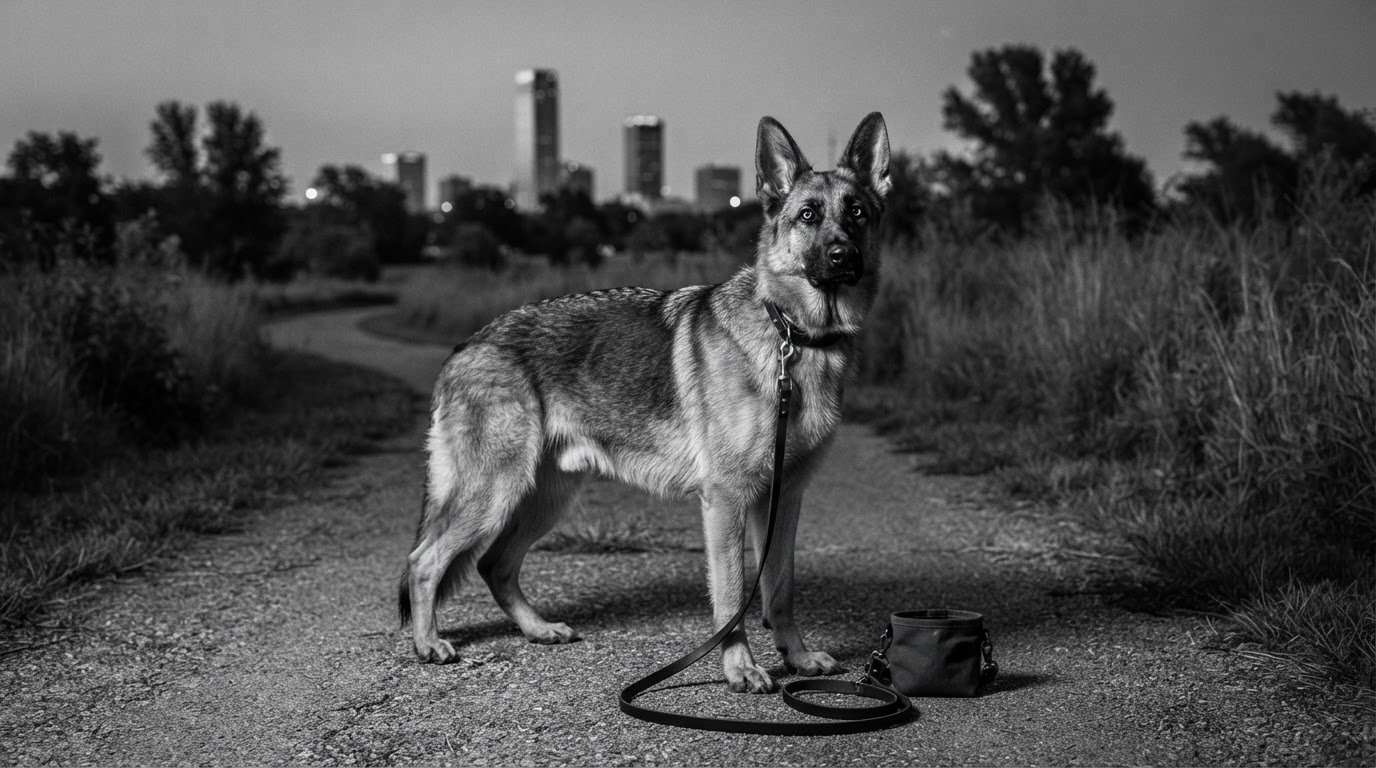
Reactivity is an intense response to a trigger, such as a passing dog or an approaching person. Fear, anxiety, poor training, and negative environments can contribute to aggression. A dog rescued from a poor situation or found on the street may be especially susceptible. These are possible causes, not a diagnosis based on one bark or lunge.
A dog’s response to a perceived threat can follow fight-or-flight patterns. Some dogs first try to create distance; if they can’t move away, they may escalate or show submission. For example, a dog held on a short leash near another dog may bark or snap. Record what happened before, during, and after each reaction.
Look for patterns in location, distance, movement, and handling. A dog that reacts only when another dog approaches its food bowl has a different trigger pattern from one that barks at dogs on every sidewalk. Note the dog’s posture, recovery, and ability to respond to a familiar cue. These observations help shape training around the actual behavior rather than assumptions.
Leash walks can intensify reactions because a leash limits movement and changes how dogs meet. Choose a quiet route, create space before the dog fixates, and turn away calmly when a trigger appears. Keep the leash controlled without jerking it or forcing an approach. If the dog can’t respond to a familiar cue, increase the distance instead of continuing toward the trigger.
Reactive dog training should build skills in a deliberate sequence. First, teach the dog to orient toward the handler in a calm setting. Next, practice turning away and moving with the handler. Then introduce a trigger at a distance where the dog can notice it and still respond. Increase difficulty only when the dog can disengage. Repeated close exposure can overwhelm learning.
Record the trigger, setting, distance, and the dog’s recovery after each incident.
Use quieter routes and planned turns to prevent close leash encounters.
Practice attention and movement cues before adding real-world distractions.
Note whether reactions change around unfamiliar people, sudden sounds, or crowded spaces. A dog that barks at someone entering the home may need a different plan from one reacting to bicycles on a trail. Managing the environment reduces surprises while the dog learns new responses. Avoid flooding the dog with repeated exposure that triggers shutdown or escalation.
In Oklahoma City, sidewalks, parks, and busy entrances offer different levels of challenge. Start in a low-distraction area, then change one factor at a time, such as the route or distance. Keep each practice focused on one goal, like turning away calmly. Record the result after each session and use it to choose the next training step.
Aggressive dog trainers in Oklahoma City
For food guarding, choose a trainer who starts with the dog’s behavior and household risks. Look for knowledge of canine behavior, experience with aggression cases, and humane, science-based methods. A sound plan explains safety steps, training goals, and how owners will practice between lessons.
Methods matter more than confident claims. A trainer should assess what happens before a reaction, identify triggers, and set a safe starting point. For example, if a dog stiffens when someone approaches its bowl, the first exercise shouldn’t require that person to move closer. The trainer should explain how each step fits the dog’s response.
Use these criteria to assess the training process:
Behavioral assessment: The trainer observes the dog’s reactions, environment, and handling needs before choosing exercises.
Safety plan: The trainer gives clear instructions for meals, toys, visitors, and household members.
Gradual practice: The trainer adjusts distance and difficulty based on the dog’s body language.
Owner coaching: The trainer teaches household members consistent cues, timing, and management routines.
Ask how the trainer handles warning signals such as growling, freezing, or blocking access. Punishing these signals can suppress communication without addressing the dog’s discomfort. A responsible approach protects people while teaching the dog safer responses. Tools such as a muzzle should be introduced through conditioning, not forced onto a stressed dog during a confrontation.
In-home observation can reveal details a neutral training space misses. The trainer can see where the dog eats, how people move through the room, and whether other pets approach. That context supports a tailored training plan. It also lets owners practice where food guarding actually occurs, rather than relying only on drills elsewhere.
Experience with puppy training can help a trainer teach early skills, but puppy obedience and aggression modification are different tasks. For an adult dog guarding food, prioritize specific behavior experience and a plan that builds confidence without overwhelming the dog. A passion for dogs is valuable when paired with careful observation, clear instruction, and consistent follow-through from everyone at home.
Choose a trainer whose lessons include owner participation and practical routines for daily life. A useful first step is a professional behavior assessment that records triggers and establishes safe management. Arrange a dog behavior assessment to begin building a structured plan for your household.
K9Elite: In-Home Evaluation
K9Elite’s In-Home Evaluation gives owners a structured starting point for food or toy guarding. The assessment takes place in the dog’s home, where the trainer can observe routines, space, and behavioral triggers that may not appear elsewhere.
After assessing the dog’s behavior and environment, K9Elite can recommend a tailored path through Behavior Modification and, where appropriate, Obedience Training. Owners receive guidance on managing risk and practicing consistent responses as part of the plan. This home field advantage helps connect training steps to the situations the household actually faces.
If guarding is affecting meals, household routines, or safe interactions, an In-Home Evaluation can help clarify the next steps. Visit k9elite.biz to learn more about arranging an evaluation.
Set the Next Training Objective
Choose one practical objective for the household’s next training phase, such as agreeing on a consistent response when the dog approaches a guarded item. A shared objective keeps everyone’s actions aligned and gives the dog predictable expectations. Decide who will manage practice, record observations, and follow the same instructions.
Before training begins, write down the situations your household needs to handle confidently. Include routine moments, such as preparing a meal or putting away a chew, alongside unexpected encounters. Bring that list to a conversation with K9Elite so the training discussion can focus on your household’s priorities and the next workable step.
Contact K9Elite about training to discuss your dog’s behavior. A steady, coordinated plan can help your household move forward with greater clarity.
Frequently Asked Questions
Are there any breed or size restrictions for training?
Breed and adult size alone aren’t reasons to exclude a dog from training. A trainer may adapt handling, equipment, rewards, and practice settings to suit the individual dog. For example, a large dog that pulls toward food may need more space and careful handler positioning, while a small dog may need barriers set at its height. Share any mobility or sensory concerns, too.
Is my dog dangerous if they are showing aggression?
Aggressive behavior can create risk, but the level depends on the situation and the dog’s pattern. A trainer will consider the behavior’s intensity, predictability, targets, and whether the household can prevent access to triggers. A reaction limited to one context differs from behavior that occurs across settings. Until the pattern is understood, make decisions based on observed behavior, not assumptions about temperament.
What if my dog has already bitten someone?
Include a bite history in the training plan from the start. Describe the setting, what the person was doing, what the dog was guarding, and how the incident ended. Include earlier incidents, even if they seemed minor. This context helps a professional distinguish a reaction tied to a specific circumstance from a broader pattern and decide which training environment is appropriate for initial work.
What if my dog has specific behavioral issues?
Give the trainer a clear description of the behavior and the outcome you want. For example, distinguish guarding a food bowl from grabbing food off a counter or reacting when another dog approaches a chew. Those situations call for different training goals. Note which household routines are affected and who needs to practice the plan. A specific account helps focus sessions on the behavior disrupting daily life.
What causes food aggression in dogs and what are the warning signs?
Food guarding can relate to fear, anxiety, past experience, or discomfort around access to a valued item. Early clues may be subtler than a vocal warning: a dog might eat faster when someone enters, turn its body over the bowl, or carry food away from a shared area. Notice whether these changes happen with particular foods or people. That context helps clarify the pattern.
What are the steps for training a dog to stop food guarding?
Set one measurable goal with the trainer, such as having the dog remain relaxed during a specific household routine. Establish a starting point based on the dog’s current response, then change just one factor at a time, such as the handler or room. Record whether the dog meets the goal before increasing difficulty. This makes progress easier to assess and avoids introducing several new challenges at once.
How do I find a qualified dog behavior trainer in Oklahoma City for food aggression?
Ask how the trainer will adapt the plan if the dog’s behavior changes during a session. Find out what owners will learn, how progress will be recorded, and how exercises connect to everyday routines. A useful initial conversation should make the plan clear without asking you to provoke the guarding behavior. Share the dog’s history honestly so the trainer can prepare for the first appointment.
Which Oklahoma City trainers specialize in resource guarding or aggression cases?
K9Elite is an Oklahoma City training option for owners seeking help with aggression and resource guarding. Its approach uses science-based, balanced methods to address behavior concerns. The best next step is to describe the dog’s guarding pattern, including which resources trigger it and how the behavior affects household routines. That information can help determine whether the trainer’s approach fits the case and the owner’s goals.
Comments