
My Dog Runs Away Off Leash in OKC: A Safe Recall Plan
Off-leash freedom is earned through reliable recall, not assumed when the leash comes off. For an Oklahoma City owner, the fear that my dog runs away off leash OKC is more than a training frustration: a nearby road, a blind corner, or a dog disappearing from view can make the risk immediate.
Repeatedly calling or chasing often does not bring a bolting dog back reliably. Chasing may add excitement, while nearby distractions can be more rewarding than returning to you. That does not mean your dog cannot learn. It means the next step should be controlled, not another test in an open area.
This guide explains what may reinforce bolting, what to do if your dog runs, and how to build recall through a clear progression, from enclosed practice to a long line and carefully observed responses. You will also learn when to keep your dog leashed and how a professional evaluation can identify behavioral triggers and communication gaps. The mission is simple: establish reliable skills before considering off-leash freedom.
Table of Contents
Why dogs run away off leash in Oklahoma City
A dog taking off can turn a familiar walk into a frightening scramble, especially when you cannot tell whether your dog is heading toward a road, another animal, or out of sight. Start with safety, then gather facts. Identify what happens just before the bolt rather than assuming your dog is disobedient or deliberately ignoring you.
If you are thinking, “my dog runs away off leash OKC,” treat the pattern as information. There can be several explanations, and one incident cannot confirm a dog’s motivation or temperament. Excitement, distraction, fear, and an unreliable recall are possibilities to assess, not diagnoses to assign.
What may be motivating a dog to bolt?
Novel smells, a moving animal, play, or the chance to create distance from an owner can compete strongly with a recall cue. Running itself may become rewarding if bolting gives the dog access to movement, exploration, or social interaction. Even unclipping the leash can become a predictor: if it repeatedly comes right before a sprint, the release may signal that running is next.
That pattern does not explain every case. A dog who bolts toward a distraction may be responding differently from one who runs away when startled. General dog training principles include teaching and reinforcing desired responses, but the right plan depends on what your dog is experiencing in that moment.
How to identify behavioral triggers around OKC routines
Behavioral triggers are specific situations or stimuli linked to an unwanted response. Note where and when bolting occurs at home, on walks, and during familiar outings. Record what was nearby and how your dog responded, but do not recreate a risky situation to test a theory.
Keep the notes factual. Look for patterns that can guide controlled training, rather than labeling your dog based on a single event.
Setting and time: Record whether the incident happened at home, during a walk, or on a familiar outing, along with the time of day.
What came first: Note visible distractions, such as movement, another animal, an unfamiliar sound, or a scent your dog stopped to investigate.
Distance and direction: Estimate how far away the distraction was and where your dog moved after getting loose.
Events just before the bolt: Write down whether the leash came off, a door opened, play began, or your dog appeared startled.
Your dog’s response: Describe what you observed, including whether your dog approached, moved away, paused, or responded to a familiar cue.
Review each entry for repeated details. A dog who takes off after the same kind of movement may need a different training setup from one who bolts after a sudden noise. These notes create a useful briefing for recall practice and, if needed, a professional behavioral assessment. Until the pattern is understood and recall is reliable in controlled settings, keep the safety plan in place instead of testing freedom in an open area.
How to build recall before your dog is off leash in OKC
Reliable recall develops through repeated, successful returns in controlled conditions. If my dog runs away off leash OKC, the answer is not to test the cue in a more distracting place. Set the mission at a level where your dog can respond, reinforce the return, and increase difficulty in measured stages. Keep your dog secured while recall is still developing.
Start recall practice where success is likely
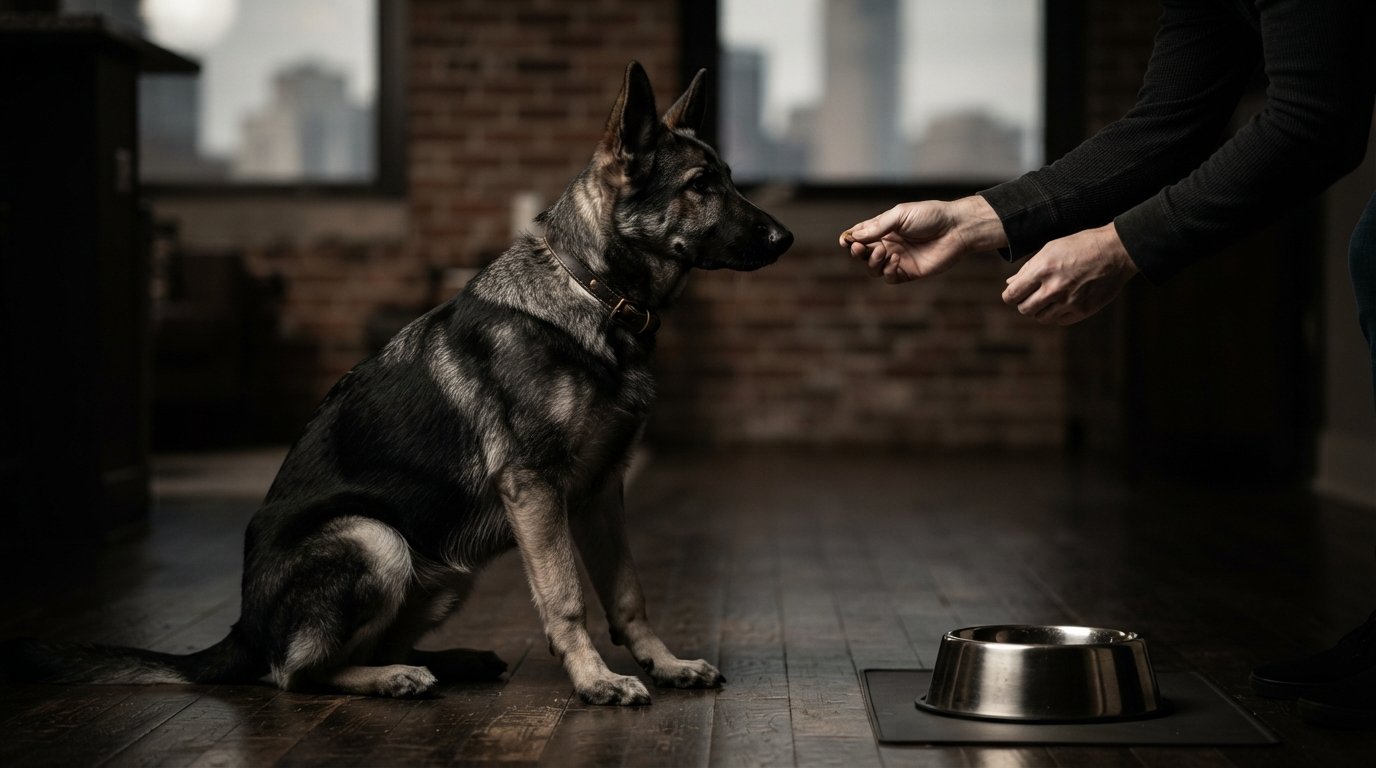
Begin indoors or in another controlled space with few competing distractions. Choose one short cue, such as “come,” and use it consistently. Say it once, invite your dog toward you with an encouraging voice or movement, then reward promptly when your dog reaches you. Choose a reward your dog values, such as a small food treat, praise, or a brief play opportunity.
Keep practice brief. End while your dog is still engaged, rather than continuing until attention fades or frustration builds. Returning should predict a worthwhile outcome, not the end of every enjoyable activity.
Increase distance and distraction in measured stages
Practise at a distance where your dog can still notice you and respond. If your dog hesitates, fixates on a distraction, or ignores the cue, make the next repetition easier. Do not repeat the cue several times or add pressure. Reset the conditions, regain your dog’s attention, and reinforce a successful return before advancing.
Build the response close by. Practise a few steps away in a quiet indoor space. Reward each completed return.
Add modest distance. Gradually call from farther away in the same controlled area. Increase distance only after your dog responds consistently at the current level.
Practise with a mild distraction. Introduce one manageable change, such as a family member moving nearby. Keep your dog close enough to respond successfully.
Move to a more challenging controlled setting. Practise in an enclosed area with supervision, then add distance or distraction one at a time. Avoid combining several new challenges in one session.
Use a leash for safety. A drag leash or long line can maintain control during practice. It supports training, but does not prove your dog is ready for off-leash freedom.
Keep a simple record of the setting, distance, distraction, and response. Use it to judge whether the next session should stay at the same level or step back. Progress depends on consistent practice, not a single successful return.
For more guidance on clear cues, follow-through, and structured obedience work, explore K9Elite’s master obedience guide. Owners who need help applying recall skills to their dog’s specific behavior can also review K9Elite’s training support.
Off leash or long line: how to judge readiness
The right setup depends on what you need to observe and what risks the environment presents. A dog may enjoy room to move, but that does not show whether the dog will stay within safe boundaries or respond when the situation changes. In Oklahoma City, assess the specific location as well as your dog’s behavior. A quiet, enclosed practice area and an open space near traffic are not equivalent tests.
What each practice setup can and cannot tell you
A standard leash is suited to close control during everyday movement. It helps you manage transitions, such as leaving the house or passing a distraction, but limits how much distance you can observe. A long line allows more room to watch how your dog moves and orients toward you. Stay attentive to the line’s path, nearby people, and potential obstacles.
An enclosed practice area adds a physical boundary while giving you room to observe your dog in motion. It does not remove the need for supervision or make every enclosed location equally suitable. Check the ground, entrances, nearby activity, and your ability to regain control before beginning. No setup replaces an assessment of the conditions in front of you.
Standard leash: Choose it when close handling and safe transitions are the priority.
Long line: Choose it when you need room to observe movement while remaining connected.
Enclosed practice: Choose it when you want space to observe behavior with a physical boundary in place.
When is off-leash practice premature?
Keep your dog secured if a recent bolt, strong fixation, or sudden change in the surroundings could make it difficult to regain control. Consider the consequences of a mistake in that location. A quiet stretch with clear boundaries presents a different level of risk from an area with driveways, roads, or people moving nearby. Account for both your dog and the environment.
Before changing setups, observe more than your dog’s willingness to run. Notice whether your dog can pause activity, orient to you without physical prompting, and settle back into the outing after excitement. These details help you judge how your dog handles freedom and transitions, rather than mistaking enthusiasm for dependable cooperation.
Write down the setting and what you observed after each practice session. If your dog’s attention or behavior shifts sharply in a particular environment, choose a more controlled setup next time. Off-leash access is a context-specific decision, not a reward owed to a dog that enjoys running. Maintain the level of control that lets you protect your dog and others while you assess progress.
What to do when your dog bolts off leash
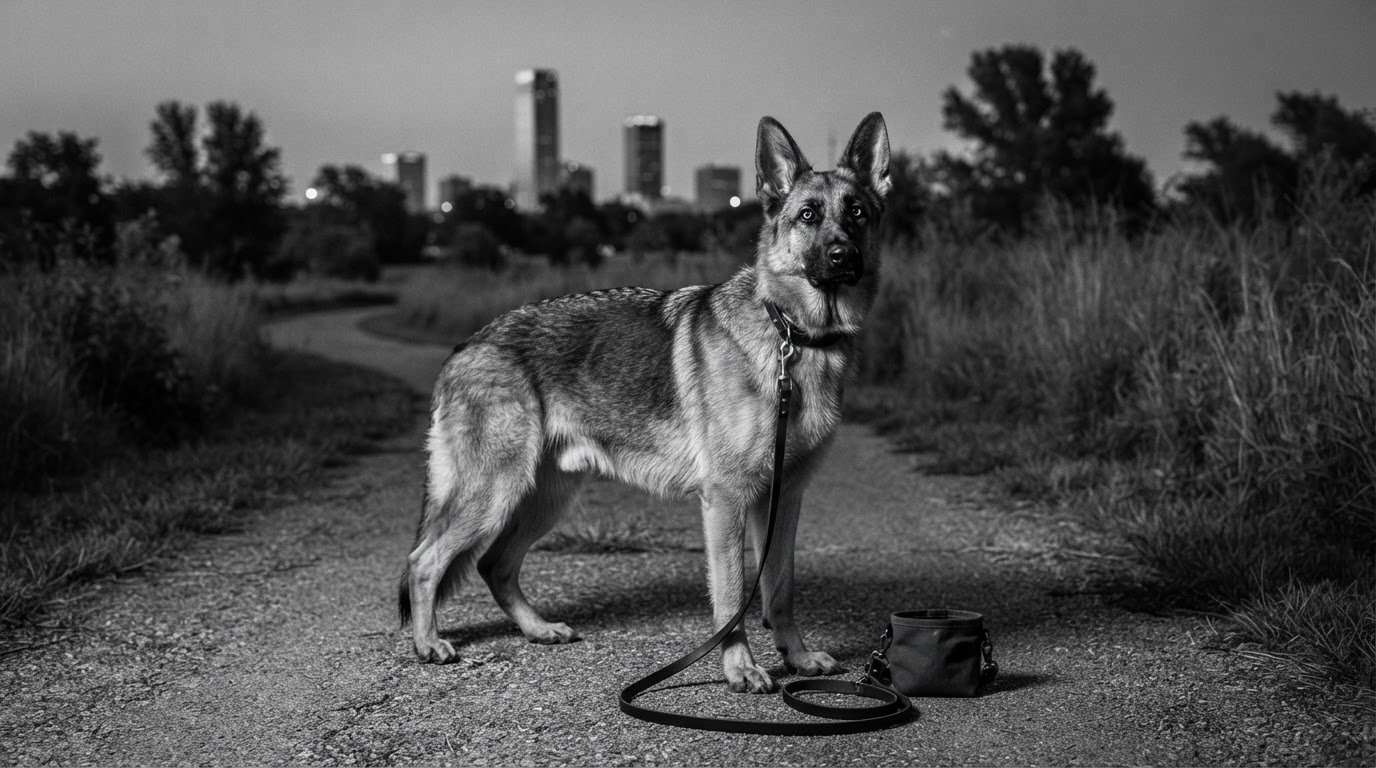
A dog loose near traffic, other animals, or unfamiliar people creates immediate pressure to act. Use a calm sequence. First, assess immediate hazards and keep your dog in view when you can do so safely. Avoid turning the moment into a chase. Your priority is to create a safe opportunity to regain control, not to move faster than your dog.
Respond without adding more pressure
Scan the surroundings and choose your position carefully. Do not run into traffic or approach a loose dog in a way that puts you or others at risk. Use a steady voice. If your dog appears able to respond and the situation allows, give the familiar recall cue once. Avoid shouting repeated cues or scolding. In a high-arousal moment, added pressure may make it harder for your dog to orient toward you.
If your dog is moving away, keep visual contact and move deliberately rather than pursuing at full speed. If your dog pauses or turns back, make space for a safe approach. Do not lunge for the collar as your dog reaches you. Calmly attach the leash, then reward the safe return. If your dog does not respond to the cue, keep assessing immediate hazards and wait for a safer chance to regain control.
Once your dog is secured, take a moment to settle before continuing. If the area still presents the same hazard or distraction, leave rather than allowing another uncontrolled run. Keep the rest of the outing managed with a leash.
Use the incident to reset the training plan
After the incident, do not test off-leash access again to see whether your dog will behave differently. Choose a secured practice setup for the next session and make the exercise easier than the circumstances that led to the bolt. For example, if your dog became highly focused on another dog, work at a greater distance from that type of distraction with a leash or long line in place. Adjust one challenge at a time.
Use your observations to decide what needs to change in the setup, rather than recreating the incident. If your dog could not disengage from the distraction, begin practice before attention becomes fixed. If the setting made control difficult, move to a more manageable space. This turns the event into a practical adjustment to the training plan, not a reason to punish your dog or repeat an unsafe test.
If bolting occurs alongside aggression or intense reactions to people or animals, recall practice may not address the full concern. K9Elite’s aggressive dog rehabilitation guide explains behavior modification for those situations. For help assessing your dog’s behavior and environment, schedule a K9Elite in-home evaluation.
When an OKC dog training evaluation can help with bolting
One unexpected bolt can happen in a distracting moment. Repeated bolting, strong reactions to particular situations, or difficulty practising recall safely are reasons to look beyond cue repetition and assess the pattern. If you are concerned that my dog runs away off leash OKC, a professional evaluation can help identify what is happening before you increase training difficulty or consider off-leash access.
An assessment is especially useful when your dog’s behavior changes across settings. A dog may respond indoors but struggle near a familiar walking route, at a doorway, or around a particular distraction. Those differences matter. Understanding the environment and communication involved helps shape a plan around the actual behavior instead of relying on guesses or a generic recall routine.
What an in-home behavioral assessment examines
A dog training evaluation OKC is a professional in-home assessment that observes your dog’s behavior, relevant behavioral triggers, and communication in the home environment. The trainer considers how your dog responds to routines and surroundings, then identifies where control or understanding breaks down. This home field advantage connects the assessment to the setting where daily behavior occurs.
The findings guide a tailored mission plan. It sets priorities for practice and owner education without assuming a fixed timeline or promising a particular result.
How K9Elite supports structured progress
K9Elite provides veteran-led, science-based, balanced training. The approach focuses on clear communication, consistent structure, and helping owners understand how to guide their dog’s behavior. Owners receive practical direction matched to the dog and environment, rather than treating one successful response as proof that the problem is resolved.
Progress also requires follow-through beyond training sessions. K9Elite provides lifetime support, with ongoing assistance and resources after sessions conclude. This helps owners maintain consistent handling and apply training in everyday situations.
Before an evaluation, gather a few useful details: where bolting has occurred, what was nearby, what happened just before your dog ran, and how your dog responded when called. These observations ground the discussion in specific events. Keep your dog secured while you wait for the assessment, and practise only in settings where you can manage distractions safely.
If you are considering this next step, the in-home dog training evaluation guide explains what to expect from the assessment process. Schedule an in-home dog training evaluation in OKC to address repeated bolting with a plan built around your dog’s behavior and environment.
Make your dog’s next step a controlled one
Off-leash freedom should follow evidence, not hope. If “my dog runs away off leash OKC” still describes your situation, keep your dog secured while you build skills and assess what is getting in the way. A deliberate next step can replace guesswork with a plan matched to your dog’s behavior and daily environment.
K9Elite serves Oklahoma City, Edmond, Moore, Norman, and Midwest City. The veteran-led team brings over 15 years of hands-on training experience to in-home dog training and behavior support. Start by sharing what you have observed, including where bolting occurs and what happens just before it. From there, you can work toward clearer communication and safer decisions at your dog’s pace, without rushing the process or treating one good return as proof of readiness.
Schedule an in-home evaluation with K9Elite and take the next step toward a safer recall plan tailored to your dog. Consistent practice builds a stronger foundation, and every controlled session is progress worth building on.
Frequently Asked Questions
Why does my dog run away when I take the leash off?
There is not one explanation that applies to every dog. A dog may respond differently once the physical connection to the handler is gone, especially if recall has mostly been practised while walking together. If you are asking, “my dog runs away off leash OKC,” consider whether the cue works only in familiar routines or also when you and your dog are positioned differently. That distinction can help focus training.
Should I chase my dog when it runs away?
No. If you lose sight of your dog, shift from pursuit to recovery coordination. Ask another person to remain at a safe, visible location while you check nearby areas, and share a clear description of your dog. In Oklahoma City, report a loose or stray dog to OKC Animal Welfare at (405) 297-2255. Do not enter hazardous areas or put yourself in danger while searching.
Can a dog learn recall after repeatedly running away?
Yes. A history of running away does not determine what your dog can learn next. Repeatedly saying a cue without a response may make it harder to tell whether the cue is clear, familiar, or useful to your dog. A trainer can assess that history and decide how to rebuild the association or introduce a different cue, without treating past failures as defiance.
Is a long line safer than letting my dog off leash during recall training?
A long line can reduce the chance of an uncontrolled departure during practice, but it does not remove every hazard or replace attention to the surroundings. Oklahoma City proper requires dogs to be leashed or confined to their owner’s property, with designated off-leash dog parks as the exception. Follow the rules for the specific location and keep your dog secured where required.
How do I know when my dog is ready to be off leash?
There is no fixed number of days or training sessions that makes every dog ready. To check whether the skill holds beyond a rapid series of repetitions, pause between practice rounds and resume from a different position. If your dog’s response changes after that break or change, continue using a secured setup. Treat readiness as something to reassess, not a permanent status.
Can an in-home dog training evaluation help if my dog runs away?
Yes. An evaluation can help if household routines make access difficult to manage, such as when several people use the same doorway or yard without a shared plan. Bring the regular handlers into the discussion so everyone can follow consistent safety steps. This practical focus can turn the concern into a manageable household routine while recall training continues in appropriate settings.
Does my dog's breed determine whether it will run off leash?
No. Breed alone cannot predict how reliably an individual dog will respond off leash. Dogs of the same breed can differ in their interests, experience, and learned responses. Use what you observe about your own dog rather than relying on breed reputation. Consider breed-related tendencies as possible context, not as a substitute for assessing your dog’s behavior and the safety of the setting.
Comments