
Rescue Dog Rehabilitation Programs in OKC for Care and Training
A rescue dog’s rehabilitation takes steady care, not a single training session. In Oklahoma City, rescue dog rehabilitation programs OKC may bring together health care, gradual confidence-building, and consistent behavior training, with veterinary decisions guided by a veterinarian. The right approach depends on each dog’s needs and progress.
It’s understandable to want a clear path when a rescue dog is fearful, reactive, or unsettled in a new home. Cats also need individualized care and a calm adjustment process. Learning how rescue dog rehabilitation programs OKC coordinate support can help families understand which steps fit an animal’s situation.
This guide explains how to support your dog’s health, build confidence through manageable experiences, and maintain consistent routines after adoption. It also covers how shelter partnerships and behavior training can support a more predictable transition. Use these practical steps to make informed decisions and help your dog settle in.
Table of Contents
Care for stray, abused, mistreated, neglected, and medically complex dogs and cats
Start by separating urgent health needs from behavior goals. Record symptoms, daily routines, and your dog’s responses to handling to help shape a practical care plan.
For a medically complex animal, document visible changes before discussing activity or training. Record appetite, drinking, movement, rest, and reactions during routine handling. A senior dog that hesitates on stairs, for example, needs that detail included in care notes. Oklahoma Vet Rehab says crate rest and pain medication can be appropriate in some short-term situations. A veterinarian should guide treatment and activity decisions, especially when pain or recovery may affect behavior.
Program Eligibility and Vaccinations
A program’s fit depends on its purpose, your dog’s current health, and the level of care it can provide. Share veterinary records, medication instructions, and vaccination documents during intake. Ask which records are needed and how gaps are handled. Don’t assume every OKC program uses the same criteria. For a senior dog, mention mobility limits or sensitivities to handling.
Enrollment and Rehabilitation Timelines
Rehabilitation takes as long as medical recovery, stress responses, and everyday routines require. A dog recovering from an injury may need veterinary guidance before increasing activity. A fearful dog may need gradual practice with ordinary sounds or handling. Keep notes on sleep, appetite, movement, and responses to care so caregivers can adjust the plan to your dog’s progress instead of following an arbitrary schedule.
Specialized Rehabilitation and Adoption Expectations
Fearful, reactive, or formerly abused dogs need care tailored to their responses. Their history and observed behavior can guide handling and daily routines. After rehabilitation, continue those routines at home and introduce unfamiliar situations gradually. A dog that accepts calm handling in one setting may still need patient support around new people, sounds, or household activity.
Senior animals also need practical adjustments. Keep resting areas accessible, note changes in movement, and maintain veterinary follow-up as directed. For cats, record hiding, eating, and comfort with routine care; these observations can help caregivers distinguish adjustment stress from a possible health concern. Clear notes give the next caregiver useful information instead of relying on broad labels such as “shy” or “stubborn.”
Oklahoma animal shelters took in 89,353 dogs and cats in 2020 and euthanized 11,560 animals that year. Those figures make accurate care records especially valuable for each animal moving between caregivers. Document what the animal tolerates, what causes distress, and which routines support rest. That record provides a practical handoff for the next stage of care.
Building dogs’ confidence through walks, outings, and companionship
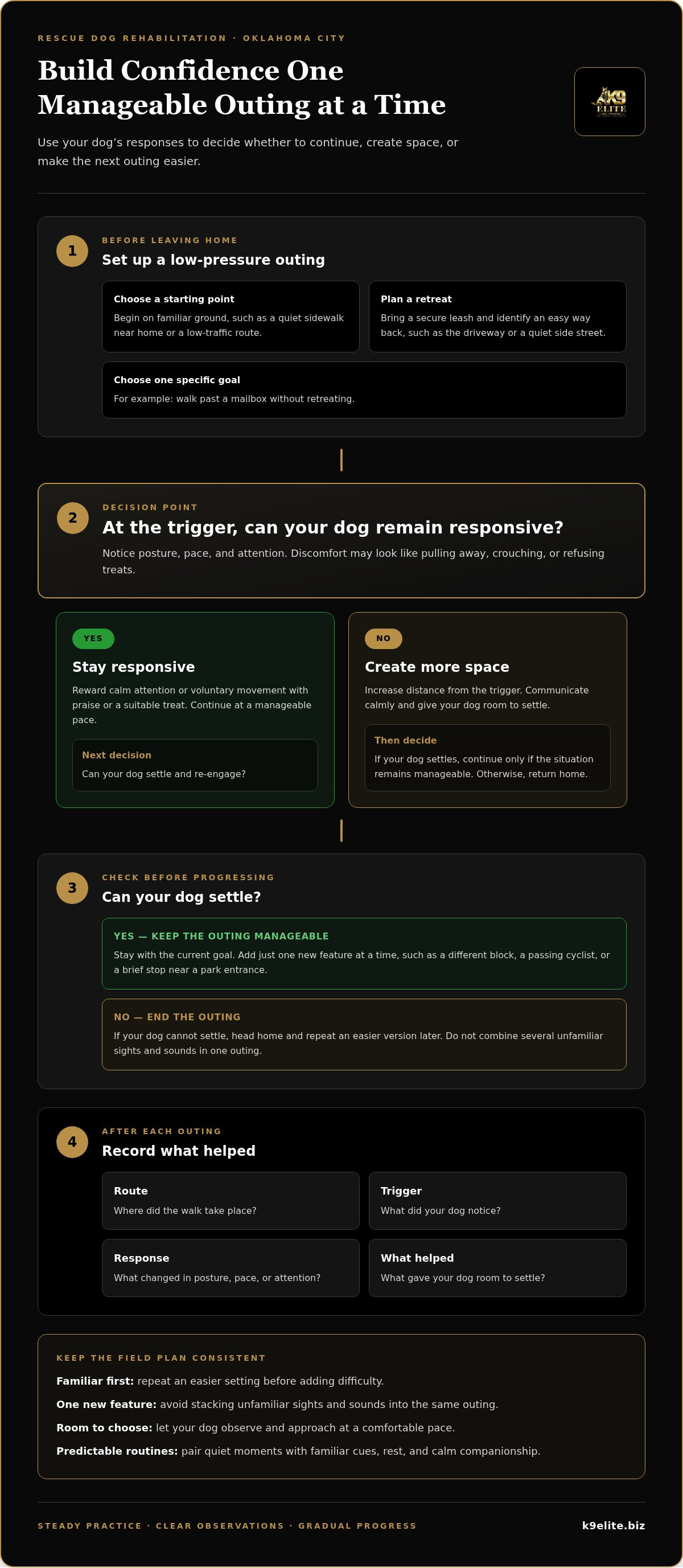
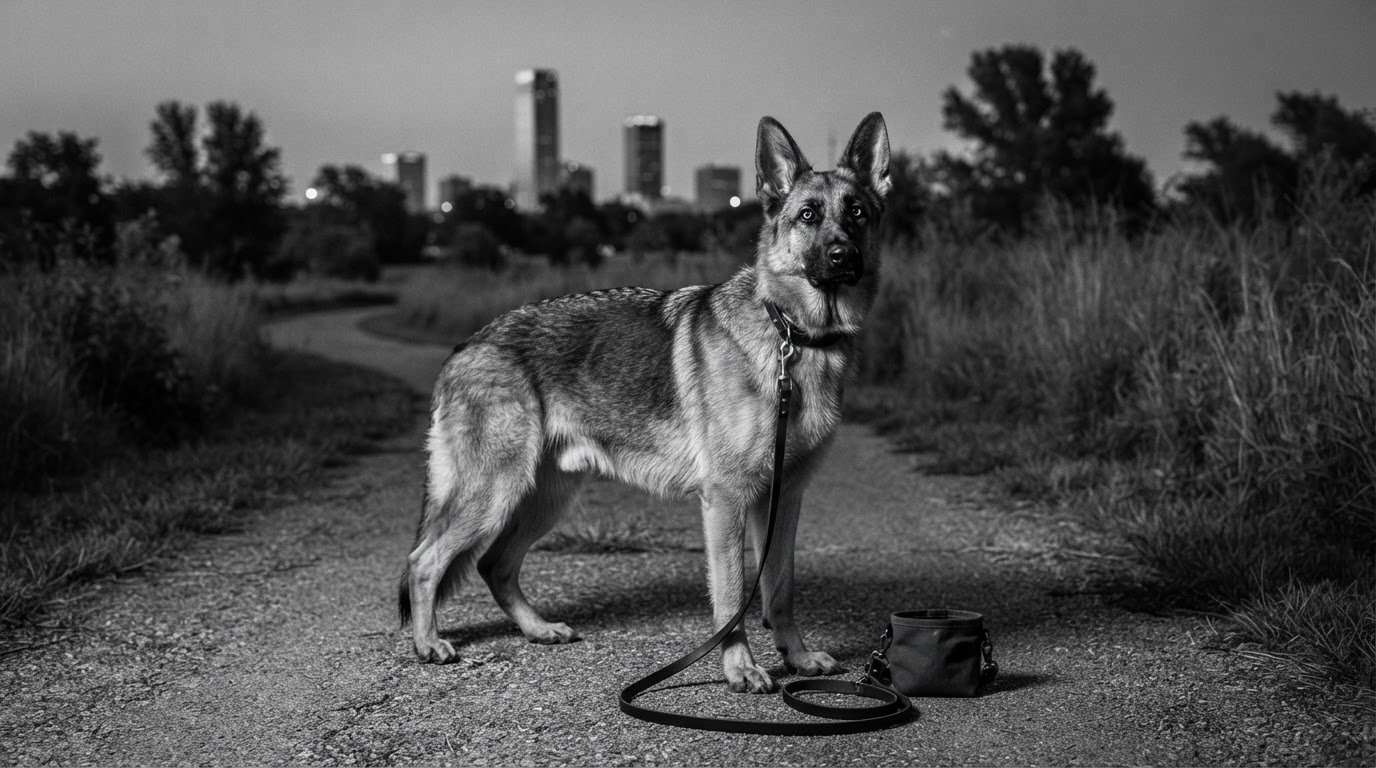
Build confidence through controlled experiences that let your dog observe, recover, and re-engage. Start on a familiar route, such as a quiet sidewalk near home, and notice changes in posture, pace, or attention. If your dog freezes when a truck passes, increase distance rather than pressuring them to approach. Keep each outing manageable and communicate calmly.
Make a simple plan before leaving home. Choose a low-traffic route, bring a secure leash, and identify an easy retreat, such as the driveway or a quiet side street. Watch for signs of discomfort, including pulling away, crouching, or refusing treats. If you notice them, create space and let your dog settle before continuing or returning home.
Build walks in small steps. Start on familiar ground, then add one new feature at a time, such as a different block, a passing cyclist, or a brief stop near a park entrance. Avoid combining several unfamiliar sights and sounds in one outing. A calm walk past a single parked car offers a clearer learning opportunity than a crowded event with unpredictable movement.
Give companionship some structure. Sit nearby while your dog rests, offer a chew item if appropriate, or practice a quiet routine beside someone they trust. Let your dog choose whether to approach. For example, a visitor can turn slightly sideways and avoid reaching over a nervous dog. This gives the dog room to observe without making contact a demand.
Use these steps to track progress across outings:
Choose one specific goal, such as walking past a mailbox without retreating.
Start at a distance where the dog can notice the trigger and remain responsive.
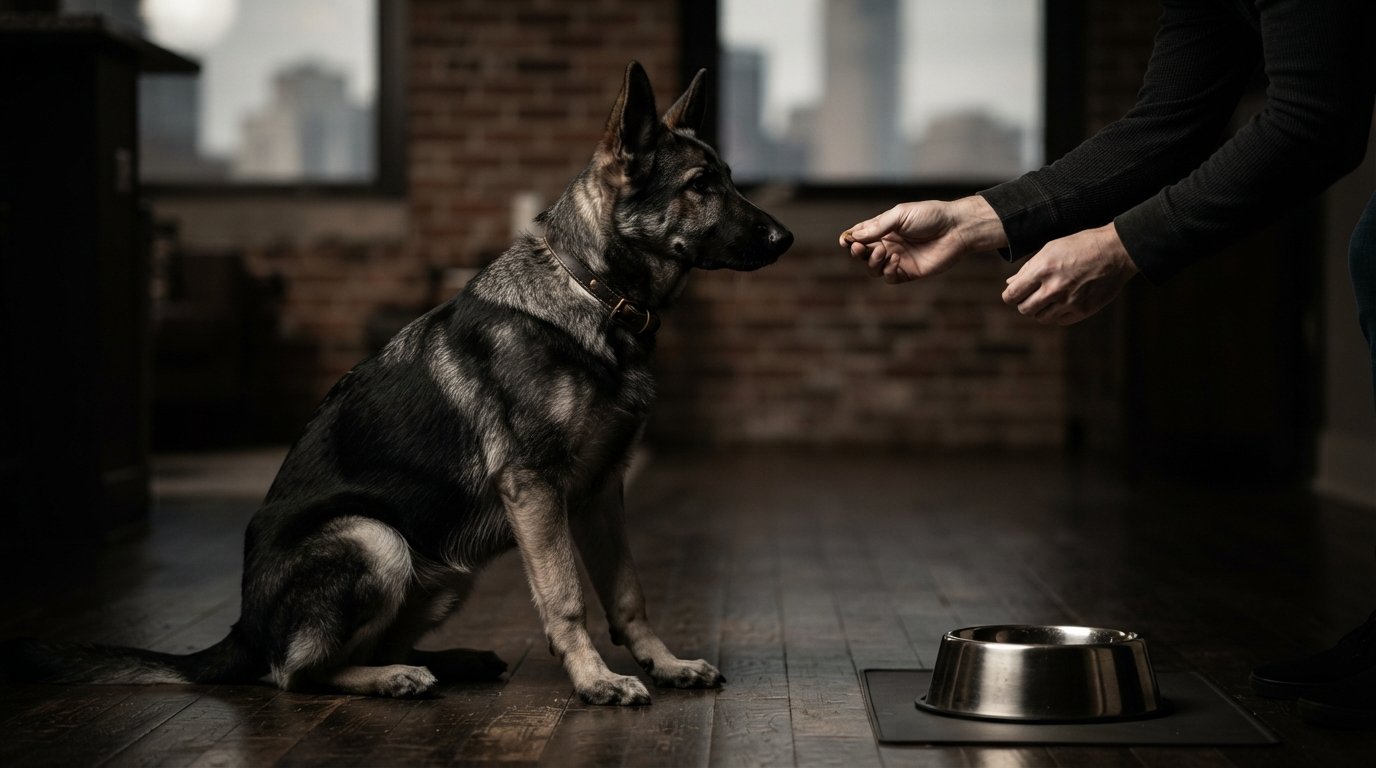
Reward calm attention or voluntary movement with praise or a suitable treat.
End the outing if the dog cannot settle, then repeat an easier version later.
Keep a brief log after each walk. Record the route, the trigger, your dog’s response, and what helped. If your dog stays relaxed near a quiet driveway but becomes tense beside traffic, repeat the easier setting before adding difficulty. These notes provide a practical basis for adjusting the next outing instead of guessing.
Companionship should include ordinary, low-pressure routines too. Feed the dog in a consistent place, allow uninterrupted rest, and make short training moments predictable. For a dog uneasy around household sounds, pair a quiet moment with a familiar cue and reward. For a plan that translates these steps into home routines, explore structured dog training guidance.
People seeking to add an animal to their family can explore adoptions offered by Oklahoma City Animal Welfare through the OKC Animal Shelter. Country Roads Animal Rescue in Oklahoma is a nonprofit 501c3 organization dedicated to saving neglected, abandoned, and homeless dogs in Oklahoma. When considering a new companion, families can keep the same gradual approach in mind: look for a dog whose needs they can meet with patient outings, predictable routines, and room to settle at its own pace.
Local shelter partnerships
In Oklahoma City, rescue work can connect shelters, foster homes, veterinary teams, and trainers. Each has a distinct role: shelters manage intake and adoption, foster caregivers provide a home setting, and behavior professionals help establish practical routines. Clear handoffs keep a dog’s history, health needs, and behavior observations together. When comparing rescue dog rehabilitation programs OKC, start by identifying who coordinates each part of care.
Yes, foster-based care and volunteer service are ways to support rescue animals in the OKC area. Homeward Bound Pug Rescue and Adoption of Oklahoma, LowRider Dachshund Rescue, and 405 Animal Rescue offer local pathways to engage with rescue work. Match your help to an organization’s needs, whether that means fostering, assisting with animal care, or supporting adoption efforts. Ask how volunteers receive handling guidance before taking on a dog with specific needs.
Local organizations have different missions and histories. Homeward Bound Pug Rescue and Adoption of Oklahoma was officially formed in 2003, while LowRider Dachshund Rescue was founded in late 2008. Country Roads Animal Rescue focuses on neglected, abandoned, and homeless dogs in Oklahoma. These distinct roles help readers identify the organization responsible for a particular animal and its care plan.
Partnerships can also create structured training opportunities. The Pen Pals dog program at Allen Gamble Correctional Center marked its 20th anniversary in March 2024. Professional trainers visit the correctional facility each week to guide exercises, and nearly a dozen shelter dogs were graduating in March 2024. This example shows how coordinated instruction can support dogs as they prepare for adoption.
Use a clear coordination process before offering help:
Identify the responsible organization. Find the intake or adoption paperwork and confirm who manages the dog’s records.
Share relevant experience. Describe your schedule, household, and experience with dogs before accepting a foster role.
Request care notes. Get the dog’s handling guidance, medical instructions, and current behavior goals.
Track observations. Record changes in appetite, sleep, leash response, and comfort around people.
Send updates to the assigned contact. Share specific observations so caregivers can adjust the plan.
For example, a foster caregiver who notices a dog avoiding a doorway can record when it happens and what came before. That detail is more useful than a general label such as “nervous.” Volunteers preparing a dog for adoption can give the rescue team similarly specific observations.
Effective rescue dog rehabilitation programs OKC rely on consistent information and clear coordination. Keep medical instructions separate from behavior observations, follow the handling plan, and report meaningful changes. When a shelter, foster caregiver, and trainer share practical guidance, a dog’s transition from care to adoption can be more predictable.
How can I apply to enroll a rescue dog in an OKC rehabilitation program?
Start by defining the outcome you want from rehabilitation. “Help my dog feel safer” is a useful concern, but an application is clearer when you pair it with an observable goal, such as resting while someone moves through the room. Describe the change you hope to see in daily life, rather than relying on a broad label like “reactive.”
Separate immediate safety concerns from longer-term training goals. Note whether your dog has snapped during handling, guarded a resting place, or retreated when approached. Describe what happened, what was going on nearby, and how people responded. Avoid guessing why the behavior occurred. Factual details help a program understand the challenge without treating an assumption as a diagnosis.
Explain your dog’s current routine and who helps with care. Identify who feeds, walks, and handles your dog, and whether household members use different cues. If one person says “come” while another says “here,” mention the difference. This gives the team a concrete starting point for aligning communication and setting shared expectations.
Before choosing a program, clarify what “rehabilitation” means in that setting. It may involve medical recovery, behavior support, adoption preparation, or a combination. Ask how progress is defined and how you can contribute. A useful answer connects activities to a specific need, such as calmly passing through a doorway or accepting a harness without retreating.
Plan for the transition after participation ends. Identify where your dog will live, who will continue daily practice, and which routines your household can maintain. A plan that depends on one caregiver may be difficult to sustain when several people share responsibility. Agreeing on roles in advance helps keep cues and boundaries consistent.
When discussing a program, focus on fit rather than a promised result. Ask how staff adapt an exercise if a dog becomes distressed, how they communicate progress, and what owners should practice between sessions. Look for clear, humane steps, not pressure to push a dog through situations they cannot manage.
Keep your application focused. State the main concern, give one or two representative examples, explain the outcome you want, and identify who will follow through. This concise summary gives the reviewer a useful picture of your dog’s needs and your household’s ability to support the work.
What are the eligibility rules and required vaccinations for OKC dog programs?
A program’s fit depends on its purpose and your dog’s ability to participate safely. A private behavior assessment, adoption-preparation activity, and group class can involve different settings and expectations. First identify your main goal: preparing for shared spaces, improving household routines, or addressing behavior that limits daily life.
Vaccination policies vary by program. They can determine whether a dog may join activities with other animals, so distinguish private work from group participation when planning. Don’t assume a policy for one setting applies to another. Written participation rules should explain how vaccination status is handled and what steps are required before dogs share a space.
Programs also consider whether a dog can participate without becoming overwhelmed. A dog that cannot settle near unfamiliar dogs may need a quieter format before joining a group. A dog that is comfortable around people but distressed by handling may need a plan focused on using equipment safely. These distinctions help match the format to what the dog can manage now.
Use these questions to assess program fit:
What is the activity? Identify whether the program involves individual work, group participation, or adoption preparation.
What behavior affects participation? Describe a concrete response, such as barking when another dog approaches.
What environment is manageable? Consider whether the dog can focus around people, animals, and ordinary movement.
What participation policy applies? Review the program’s written vaccination and safety requirements for its setting.
Keep your dog’s welfare central. If a busy setting causes distress, a quieter format can make observation more useful. For example, an initial assessment at home can show how your dog responds to doorways, household movement, and handling before you introduce more distractions.
Eligibility is not a judgment of a dog’s worth. It reflects the setting, behavior goals, and support needed for safe participation. A dog that is not suited to a group activity may still benefit from individual behavior work. Match the activity to what your dog can manage while building skills in a controlled way.
For behavior challenges that affect routines at home, an in-home dog training evaluation can help identify practical training priorities in the dog’s own environment.
K9Elite: In-Home Evaluation
K9Elite’s In-Home Evaluation can help when a rescue dog’s behavioral concerns continue after adoption and affect daily routines. The assessment looks at the dog’s behavior, triggers, and home environment, giving the next steps a practical starting point. For example, a trainer can observe how a dog responds to visitors, household sounds, or leash handling.
Obedience Training can establish clearer routines, while Behavior Modification addresses specific behavior concerns. Therapy Dog Training has a different goal: preparing a dog and handler to work as a team in settings where they provide comfort to people. The right plan should fit your dog’s behavior and your goals.
To discuss an evaluation for your rescue dog, contact K9Elite or visit k9elite.biz.
Set a Clear Course for Your Dog’s Next Step
Choose one practical goal to guide your dog’s next stage, such as settling when visitors arrive or walking calmly past other dogs. Track what happens before, during, and after practice. These observations help distinguish a recurring trigger from a one-time response and give you a clearer basis for adapting the plan.
For rescue dog rehabilitation programs in OKC, continued progress depends on matching the next step to the dog’s behavior and home setting. K9Elite’s In-Home Evaluation examines those factors. Obedience Training can establish consistent cues and routines, while Behavior Modification addresses specific behavior concerns. The objective is a workable plan that owners can follow in daily life.
Bring your observations and goals into the next conversation. Contact K9Elite to discuss a training evaluation and identify a structured way forward. Consistent, informed action gives you and your dog a solid foundation for the work ahead.
Frequently Asked Questions
What dog rescue and rehabilitation programs are available in Oklahoma City?
Oklahoma City offers shelter-based adoption and rescue pathways, foster care through local organizations, and professional training for dogs living with their owners. The OKC Animal Shelter supports adoption, while K9Elite provides in-home evaluation, Obedience Training, Behavior Modification, and Therapy Dog Training. These options serve different needs: shelter and rescue programs coordinate animal care, while training can address behavior and routines in an adopted dog’s home.
Which OKC shelters and rescues offer behavioral rehabilitation for dogs?
OKC Animal Shelter and local rescue organizations provide routes for animal care and adoption, while K9Elite offers professional Behavior Modification for dogs with behavior concerns. These roles are distinct. A shelter or rescue manages the animal’s care and adoption process; a training service works on behavior goals with the dog and owner. For example, an adopter can coordinate shelter records with a trainer to support a consistent transition.
What types of behavior issues do OKC dog rehabilitation programs treat?
Behavior support can address aggression, anxiety, hyperactivity, fear, and difficulty following household routines. The right goal depends on the context. A dog that barks at visitors may need structured practice around arrivals, while a dog that reacts to other dogs may need controlled leash work and clear communication with the handler. Share specific examples, including what happened before the behavior and how your dog responded afterward.
What training methods and credentials do local rescue dog rehabilitation programs use?
Training methods and professional backgrounds vary by program. K9Elite uses science-based, balanced methods, and its founder, Coty Cortez, is a Marine Corps veteran. Veteran status describes his background, not a separate animal-behavior credential. Ask how a trainer assesses behavior, sets goals, and coaches owners to maintain consistent cues. A clear explanation of the method should connect each exercise to the dog’s individual needs.
Comments